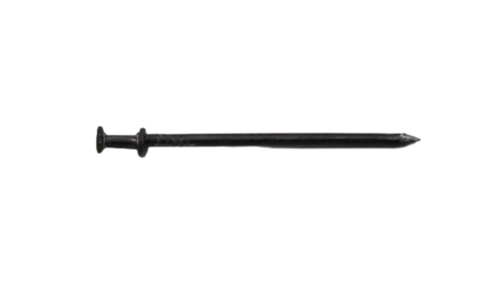
Understanding Roofing Nails for Tar Paper When it comes to roofing projects, proper materials and techniques are essential for ensuring a durable and effective roof. One of the overlooked yet critical components in roofing is the choice of nails, particularly when applying tar paper, also known as roofing felt. This article will delve into the significance of roofing nails, the types available, and best practices for their use with tar paper. Importance of Roofing Nails Roofing nails are specially designed fasteners that play a vital role in securing roofing materials to the roof structure. When applied correctly, they ensure that tar paper remains firmly attached, which is crucial for preventing water from seeping under the shingles and causing damage to the underlying wood structure. A reliable roofing system begins with a properly installed underlayment, making the quality and selection of nails particularly important. Types of Roofing Nails 1. Material Roofing nails are generally made from either galvanized steel or stainless steel. Galvanized nails have a protective coating that prevents rust and corrosion, making them suitable for most roofing applications. Stainless steel nails are more expensive but offer superior resistance to rust, making them ideal for coastal areas where salt exposure can accelerate corrosion. 2. Type and Size Roofing nails come in various types including smooth, ring shank, and screw shank. - *Smooth shank nails* are traditional, but they can pull out more easily. - *Ring shank nails* have ridges along the shank that provide enhanced grip, making them less likely to loosen over time. - *Screw shank nails* offer the best holding power, especially in high-wind areas. Typically, roofing nails are 1 to 1.5 inches long, allowing ample penetration into the roofing deck while preventing excessive extension that could compromise structural integrity. 3. Head Design The head of roofing nails should be large enough to provide an adequate bearing surface against the tar paper without tearing it. A minimum of a 3/8-inch diameter head is recommended for roofing applications to ensure effective water shedding. roofing nails for tar paper Best Practices for Using Roofing Nails with Tar Paper 1. Nailing Pattern When installing tar paper, a proper nailing pattern is crucial to ensure complete coverage and adhesion. Nails should be placed along the top edge of the sheets and spaced about 8 to 12 inches apart. This spacing prevents wind uplift and provides a firm foundation for the shingles that will be applied over the tar paper. 2. Overlapping The tar paper should be installed in overlapping layers, with the upper layer overlapping the lower layer to allow for water runoff. Nails should be placed in a staggered pattern to avoid puncturing the same area multiple times, which can weaken the tar paper and lead to leaks. 3. Nail Placement Ensure that nails are driven straight and flush with the surface of the tar paper. Nails driven too deep can create holes that allow moisture to infiltrate, while those that are too loose can lead to instability. Always check that the tar paper remains intact and undamaged when securing it with nails. 4. Weather Conditions Ideally, roofing should be done in favorable weather conditions. Extremely windy or wet days can complicate tar paper installation and nail placement, potentially jeopardizing the integrity of the roof. Conclusion While often overlooked, roofing nails are a fundamental part of the roofing system, especially when working with tar paper. Understanding the types of nails available and following best practices for their installation can greatly enhance the longevity and performance of the roofing system. By selecting the right nails and installing them correctly, homeowners can ensure that their roofs remain secure, weather-tight, and durable for years to come. Whether tackling a DIY project or hiring a professional, paying attention to the details will result in a successful roofing installation that protects against the elements.